Cobblestones and icons make this day feel special. You start mid-morning in Fikardou, a highland hamlet where cobbled lanes and well-preserved houses give you that frozen-in-time feeling, and it’s even on the UNESCO tentative list. With free time built in, you can wander at your own pace before the day gets more focused and spiritual.
I also love the hands-on food moment in Skarinou: you try halloumi and bread-making, then sit down for a KM0 lunch using locally sourced ingredients. One thing to plan around: this is a religious-sites-and-country-lanes kind of day, so the dress code matters (shoulders and knees covered), and good weather is needed.
In This Review
- Key highlights to look for
- First stop: Fikardou’s cobbled lanes and calm, UNESCO-tentative charm
- Machairas Monastery: a 12th-century interior and a revered icon
- Lefkara: lace, embroidery, and a village you can actually walk through
- Skarinou for halloumi and bread-making, plus a true KM0 lunch
- The guide and group size: small enough for attention, big enough for energy
- Price and value: what $107.66 really buys you
- Timing and what to expect on the ground
- Who this tour is best for (and who should skip it)
- Should you book this Fikardou–Machairas–Lefkara tour?
- FAQ
- What time does the tour start?
- How long is the tour?
- Is hotel pickup and drop-off included?
- Do I need to pay for entry fees?
- Is lunch included?
- What are the dress requirements for religious buildings?
- Is the tour group size limited?
- Do I need to bring anything for the halloumi and bread-making?
- What happens if the weather is bad?
- Can I cancel and get a full refund?
Key highlights to look for
- Fikardou’s slow, authentic vibe in a well-preserved highland hamlet
- Machairas Monastery’s 12th-century setting with a revered Virgin Mary icon
- Lefkara lace culture where lace-making is a daily craft, not a souvenir show
- Skarinou’s halloumi and bread-making so you’re not just watching
- A locally focused KM0 lunch at a family-run spot after the countryside stops
First stop: Fikardou’s cobbled lanes and calm, UNESCO-tentative charm
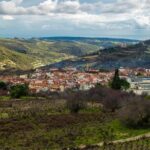
Fikardou is the kind of place where your phone camera keeps turning into your notebook—because the details are just too good to rush. You arrive mid-morning, and the atmosphere is rustic and laid-back, with cobblestones underfoot and historic houses that feel like they’ve been standing there forever. This is the part of the day where I’d slow down on purpose. You get about 2 hours and you’re not pushed through a checklist.
What makes Fikardou special isn’t just “pretty village” energy. It’s the sense of continuity. The houses, lanes, and overall feel are so well-preserved that the village appears on UNESCO’s tentative list of world heritage sites. That helps you look at it differently. Instead of treating it like a quick photo stop, you start noticing how the place works as a lived-in community.
You’ll also like that the visit includes time to explore freely. No constant stopping, no marching pace. If you enjoy browsing small corners—doorways, stone textures, quiet lanes—you’ll get more out of this stop than if you only care about big monuments.
Practical tip: Fikardou’s streets are cobbled. Wear shoes that can handle uneven ground, and bring a light layer if you’re out and about before lunch.
You can also read our reviews of more guided tours in Ayia Napa
Machairas Monastery: a 12th-century interior and a revered icon
After Fikardou’s gentle wandering, the day tilts toward something more solemn at Machairas Monastery. You get around 2 hours here, which is a good amount of time: long enough to see the space properly, but not so long that you feel stuck.
Machairas sits on a remote hillside, so the approach alone changes the mood. Even if you’re not religious, you can feel why people treat this as a place of focus. The monastery is known for its historic background—this is a 12th-century site—and the interior is lavishly decorated. The centerpiece is a sacred icon of the Virgin Mary, which is the reason most visitors come here.
This is also where the dress code becomes real, not theoretical. You’ll want shoulders and knees covered. If you forget, you might find it harder to enjoy the visit comfortably. Carrying a light scarf or a thin cover-up is a simple way to keep the day smooth.
One more thing: monasteries are quiet places by nature. If your group is chatty, it’s worth reminding yourself that the best experience here comes when you lower your volume, even a little.
Lefkara: lace, embroidery, and a village you can actually walk through
Then comes Pano Lefkara, a village famous for handmade lace and embroidery. This part matters because Lefkara isn’t a theme park version of tradition. The craft is something people do in the open—women, young and old—often seated outside homes and shops while they work.
As you walk around, you’ll see why Lefkara’s reputation has lasted. Lace-making takes patience, and the village layout supports that slow, daily rhythm. It’s the kind of place where you can watch a craft unfold and then ask a question without feeling like you’re interrupting a “performance.”
I also appreciate that the stop includes more than walking. There’s a traditional lunch on the way to Lefkara in a family-run restaurant, so you’re not stuck waiting until the end of the day to eat. After that, you still get time to stroll the village itself—about 3 hours total at this stage—so you can slow down and browse properly.
A fun detail I like sharing with friends: Lefkara lace is so renowned that the story goes that even Leonardo da Vinci bought it. Whether you look at that as history or legend, it points to the craft’s long reach across Europe.
Practical tip: bring cash only if you prefer, but don’t count on it—this tour includes the lunch, and you’ll have limited time to browse. If you want lace souvenirs, give yourself time before your last stop, because the day ends in Skarinou.
Skarinou for halloumi and bread-making, plus a true KM0 lunch
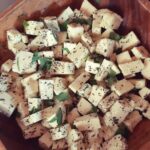
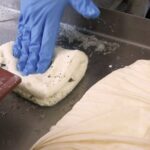
The end of the tour shifts from sightseeing to doing. In Skarinou village, you try your hand at halloumi and bread-making. This is the part of the day that feels most memorable because you’re participating, not just observing.
Even if you’re not a “hands-on” person, this works for most people. The activity is short enough to feel fun, and it’s focused on local food. Plus, you’ll come away with a better understanding of why Cyprus food tastes the way it does: simple ingredients, practiced techniques, and a culture of making things from scratch.
Right after, you enjoy a KM0 lunch at a family-run restaurant. KM0 is essentially a local-first idea—using ingredients sourced near where you are. The point isn’t just branding. It means your meal fits the place you’ve been walking through all day. You’re not ending with a generic, anywhere-in-the-world lunch.
This is also where the group experience tends to click. Everyone has gone through the villages and monastery, and now you’re all at the same table—hands a little floury, curiosities sparked, and bellies actually ready for the meal.
If you like food tours, you’ll likely rank this as a top highlight.
The guide and group size: small enough for attention, big enough for energy
This tour runs with a maximum of 50 travelers. That matters. It’s large enough to have a lively atmosphere, but small enough that you still get a real guided experience, not a distant bus commentary. You’ll also have hotel pickup and drop-off for selected hotels, which keeps the start of the day simple.
One of the best parts is how your local guide brings everything to life. On this tour, the guide is friendly and speaks clear English, with a light, funny tone that makes the day feel human. That’s not a minor detail. It changes how you absorb the places—especially when you’re bouncing between a village, a monastery, and two craft-heavy stops.

Price and value: what $107.66 really buys you
At $107.66 per person, this isn’t a “grab-and-go” deal. But it’s also not overpriced for what you get, especially if you’d otherwise have to piece together transport, entry fees, and lunch.
Here’s what’s covered:
- Hotel pickup and drop-off (selected hotels only)
- Traditional lunch
- Entrance fees
- A guide
Not included:
- Extra drinks
- Souvenirs
That included structure is the value. You don’t end up doing the annoying math of “How much would this cost if I booked it all separately?” The day is built as one package with set stops and meals handled.
Where the price makes sense most:
- You want a guided flow across multiple villages and the monastery.
- You care about local crafts (lace) and local food (halloumi/bread and KM0 lunch).
- You don’t want to figure out logistics on your own.
Where you might reconsider:
- If you only want one or two highlights and prefer full independence, this could feel a bit packed. But if you enjoy a full day of culture and food, it’s priced to be fair.
Timing and what to expect on the ground
The tour starts at 8:20 am and runs about 8 hours. You’ll arrive in Fikardou mid-morning, then work through the monastery, then Lefkara, and finish in Skarinou.
Because it’s a full day, pace is part of the experience. You’ll have enough time at each stop to enjoy it, but not so much that you can lose an hour getting side-tracked in a shop window. That’s ideal for travelers who like structure but still want a little freedom—especially in Fikardou and Lefkara.
Weather matters. This tour requires good weather, and if conditions are poor, you’ll be offered a different date or a full refund.
Who this tour is best for (and who should skip it)
This works especially well for you if you:
- Like a mix of villages and food instead of only museums
- Want to see Cypriot craft culture up close (lace and embroidery)
- Prefer a guided day where someone else handles the route and entry details
- Enjoy hands-on experiences, like making halloumi and bread
You might skip it if you:
- Can’t do cobbled ground or prefer very minimal walking
- Want a completely independent schedule with no fixed stops
- Are only interested in one main attraction and would rather spend more time in fewer places
Should you book this Fikardou–Machairas–Lefkara tour?
Yes, if you want a day that feels genuinely local—stone lanes, a monastery with an important icon, lace craft culture, and a food finish that’s not just sitting and eating. The combination of Fikardou’s calm, Machairas’s spiritual weight, and Lefkara’s daily handmade lace tradition creates variety without feeling chaotic.
Book it now if:
- You like getting value through included entries and a real lunch
- You want a guide who keeps things clear and fun
- You’re curious about how Cyprus traditions are still practiced, not only displayed
Skip or postpone if:
- You’re traveling with tight comfort needs for walking on uneven cobblestones
- Your timing hinges on a flexible schedule but the weather looks uncertain
FAQ
What time does the tour start?
The tour starts at 8:20 am.
How long is the tour?
It runs for about 8 hours (approx.).
Is hotel pickup and drop-off included?
Yes. Pickup and drop-off are included for selected hotels.
Do I need to pay for entry fees?
No. Entrance fees are included.
Is lunch included?
Yes. You’ll have a traditional lunch as part of the day.
What are the dress requirements for religious buildings?
You should dress appropriately with no shoulders or knees showing when visiting religious buildings.
Is the tour group size limited?
Yes. The maximum is 50 travelers.
Do I need to bring anything for the halloumi and bread-making?
The tour includes you trying your hand at halloumi and bread-making, but the materials to bring aren’t specified. Wear clothes you don’t mind getting a little messy.
What happens if the weather is bad?
The tour requires good weather. If it’s canceled due to poor weather, you’ll be offered a different date or a full refund.
Can I cancel and get a full refund?
Yes. You can cancel up to 24 hours in advance for a full refund.