REVIEW · PAPHOS
Day Tour to Famagusta, Ghost Town & Ancient Salamis
Book on Viator →Operated by Sea Island Travel and Tours · Bookable on Viator
One day in Cyprus can hurt—in a good way. I love how the Varosha ghost-town visit hits you in the gut, and I like that Eva connects each stop to real events from Cyprus history, not just facts on a wall. You get Roman-era ruins in the morning mood, then a medieval-feeling walk in Famagusta before the day turns solemn.
This is also the kind of tour where the pace stays human. You have a comfortable coach ride with regular breaks, and Salamis includes an actual site ticket so you can focus on the key remains. The one trade-off: it’s a long day, and Famagusta gives you only a limited window for lunch and any shopping.
In This Review
- Key points before you go
- Price and Logistics: What You’re Paying For (and What You’re Not)
- Morning Rhythm from Paphos: Pickup, Coffee Stops, and a Real Checkpoint
- Choirokoitia and Strovilia: Quick Breaks That Keep the Day From Blowing Up
- Salamis Ruins: Roman and Byzantine Remains in One Focused Stop
- Famagusta Old Town and St Nicholas Cathedral: A Gothic Church in New Use
- Varosha Ghost Town: A Guided Look at a Fenced-Off City Stopped Since 1974
- Eva and the Day’s Tone: Personal Context Without the Lecturing
- Timing and Comfort: How to Make an 11-12 Hour Day Feel Manageable
- Who This Trip Fits Best (and Who Might Skip It)
- Book It or Skip It: My Practical Recommendation
- FAQ
- How long is the tour from Paphos?
- Is pickup included?
- Do I need a passport?
- Are entry tickets included?
- Is lunch provided?
- What language is the tour in?
- What should I bring for comfort?
Key points before you go
- Eva’s personal storytelling makes the 1974-era context feel immediate, not abstract.
- Varosha is guided and fenced-off, with a tour that ends near Constantia beach.
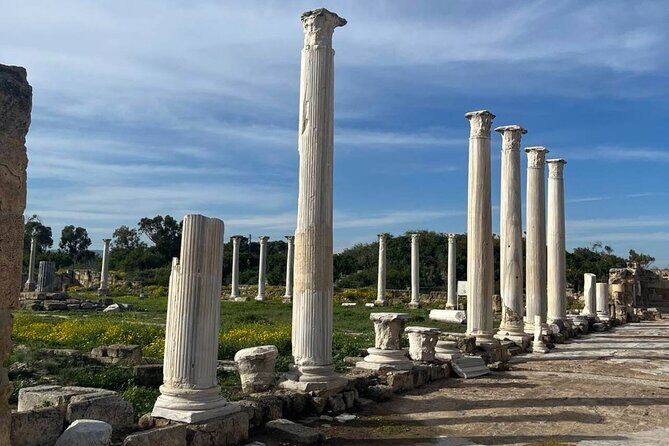
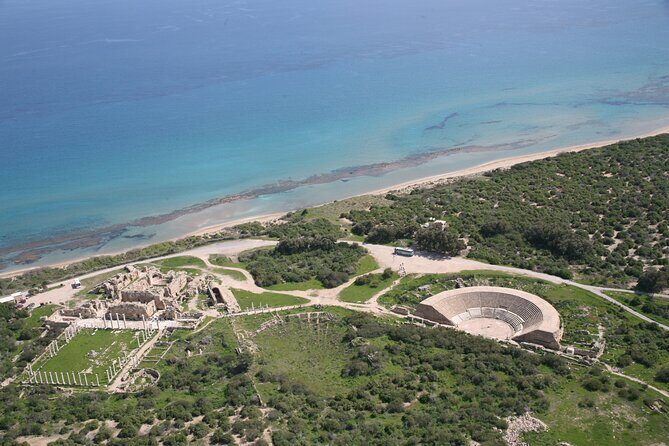
- Salamis Ruins are ticket-included, with time to see major highlights like the amphitheater, gymnasium, and mosaics.
- Passport matters at the Strovilia checkpoint, and everyone needs to show it.
- Lunch isn’t included, so plan for a meal stop during your Famagusta free time.
Price and Logistics: What You’re Paying For (and What You’re Not)
This day tour runs about 11 to 12 hours and costs $66.08 per person. That price looks fair because the day includes an air-conditioned vehicle, pickup, and multiple stops where local logistics would otherwise be a hassle. It also bundles entry for the Salamis ruins and the Varosha/ghost town guided portion, while keeping most of the other stops as quick photo-and-walk moments.
What you should budget yourself: lunch and coffee/tea. Your main meal slot is built into your time in Famagusta, so plan to use that window well. If you’re the type who eats late, or you hate making decisions under time pressure, pack a little snack habit into your day before you arrive in Famagusta.
Group size is capped at 50, and you’ll be traveling in a coach-style setup with rest stops and bathroom breaks. It’s not a sprint tour, but it’s not a slow meander either—especially after the checkpoint and once you get into the ruins and old town walking.
You can also read our reviews of more tours and experiences in Paphos.

Morning Rhythm from Paphos: Pickup, Coffee Stops, and a Real Checkpoint
You start with an 8:00 am pickup from your hotel area in Paphos. The first stretch is about setting you up for the big day ahead: getting out of town, then pausing for small resets before heavier walking.
There’s a quick coffee break on the way that gives you a chance to stretch your legs and buy something simple if you didn’t pack a snack. Then comes Strovilia, where there’s a checkpoint and everyone is required to show a passport. This is the moment to be ready: keep your document easy to grab, and don’t count on searching bags while you’re in line.
This tour also asks for moderate physical fitness. You’re not climbing mountains, but you are walking in uneven areas—think ruins, stone paths, and the reality of spending hours in the same day.
Choirokoitia and Strovilia: Quick Breaks That Keep the Day From Blowing Up
Choirokoitia is more of a reset than a deep stop. You’ll drive there, take a short coffee break, and then move on. That may sound minor, but it matters on a long day like this. It keeps you from arriving at Salamis already tired, cranky, or hungry.
Then there’s Strovilia again, where the checkpoint requirement adds a bit of pressure to the schedule. You don’t want that pressure later when you’re trying to enjoy ruins or photos. The best strategy is simple: treat the coffee break as your “buffer time.” Use it to rehydrate, grab a snack, and get your shoes ready for the day’s walking.
If you’re the kind of traveler who likes to control every minute, this might frustrate you. If you’re okay going with the flow and using stops as planned rest points, you’ll find the pacing works.
Salamis Ruins: Roman and Byzantine Remains in One Focused Stop
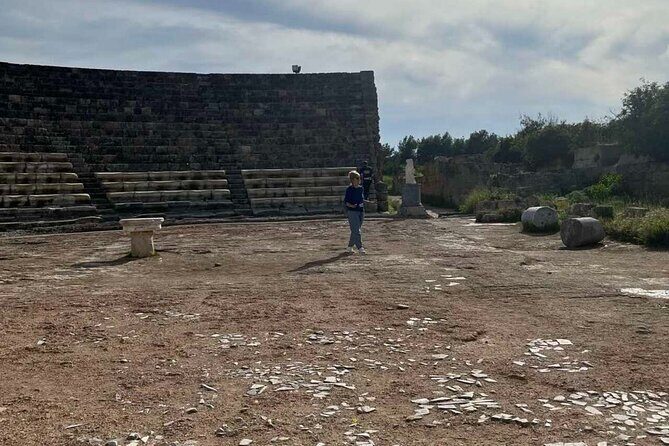
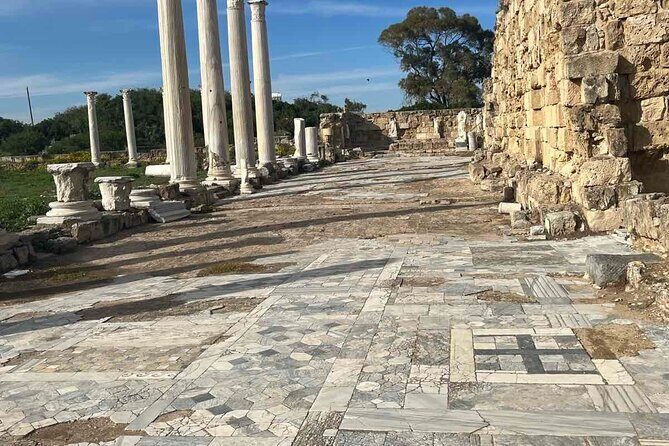
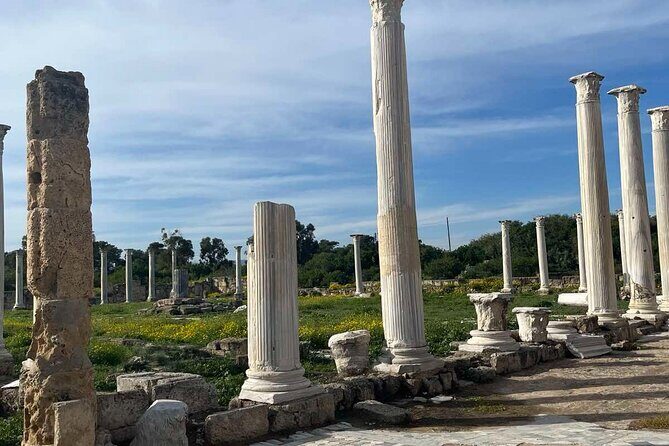
Salamis is where the morning becomes truly worth the effort. You get around 1 hour 15 minutes, and the site ticket is included. That time is long enough to see the major areas without turning it into a blur.
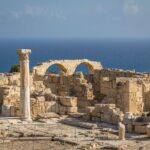
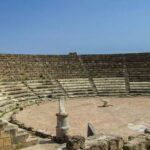
You’ll be looking at an extensive archaeological site showing the ancient city of Salamis, with highlights like:
- a well-preserved amphitheater
- a gymnasium
- intricate mosaics
You also get a sense of Salamis moving through eras—Roman and Byzantine influences show up in the way the remains are arranged and preserved. The tour doesn’t just drop you in and walk away. You’ll have context built in, and that makes a difference when you’re trying to understand what you’re actually looking at: why a structure mattered, what the space was likely used for, and how the site connects to Cyprus beyond a single photo angle.
Practical tip: bring sunscreen and water if it’s warm. Ruins don’t care if you’re tired. You’ll want comfortable shoes because you’ll be walking over uneven ground, and the time window is fixed.
Famagusta Old Town and St Nicholas Cathedral: A Gothic Church in New Use
After Salamis, you head to Famagusta old town for about 2 hours 30 minutes. This is your most traditional “wander and choose your own pace” segment of the day.
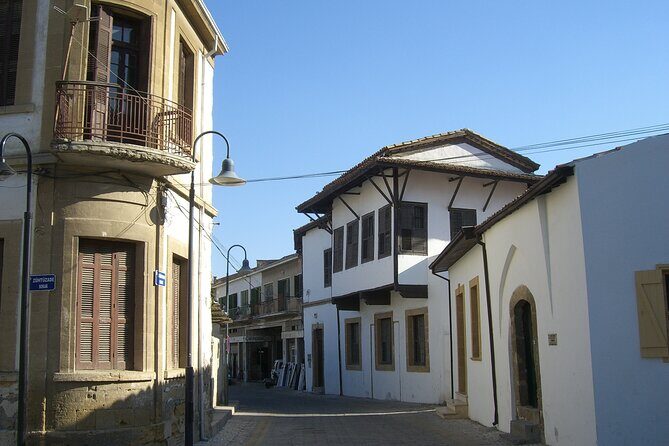
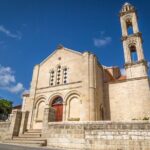
The big architectural stop is St. Nicholas Cathedral, a Gothic-style building that’s now repurposed as the Lala Mustafa Pasha Mosque. Even if you’re not a church-architecture expert, you’ll feel the transformation: the structure remains, but its role in the city changed over time.
This stop is worth treating like a storytelling walk. The cathedral is a shortcut to understanding how Cyprus history can change what a place means, even when the stones remain. In other words, the building becomes a living record of shifting eras.
Your time includes free time for lunch, but remember: lunch is not included. Also, you won’t have endless hours to shop or explore deeply on your own. Use your time for: a proper meal, a couple of photo angles, and a last look at the old-town streets before you move to the emotionally intense part of the day.





Varosha Ghost Town: A Guided Look at a Fenced-Off City Stopped Since 1974
Then you go to the part of the trip that lingers. The Ghost Town of Famagusta is a guided experience focused on Varosha, the fenced-off area known for a city that was left behind in the wake of the 1974 conflict.
Your visit is about 45 minutes, and this is not a free-for-all wandering session. The guided approach helps because this isn’t a “curiosity stop.” It’s a place where abandoned hotels and homes are part of the story, and the history is complicated.
Expect to see:
- abandoned hotels and residences
- eerie, quiet streets
- the sense of a city paused in the middle of ordinary life
The tour also takes you to a poignant takeaway: how politics can freeze communities in place. I’d call this the emotional center of the day. It can also be a bit draining, because your guide shares context in a human way, not just headlines.
One useful detail: after the ghost town visit, you end up at Constantia beach. That acts like a pressure-release valve. You go from “stopped time” back to sea air, open space, and a chance to reset before returning.
Eva and the Day’s Tone: Personal Context Without the Lecturing
A big reason this tour gets glowing marks is the guide, Eva. She’s friendly and approachable, and her explanations don’t feel like a script. What makes it memorable is the way she ties architecture and ruins to her own experience of Cyprus history.
In plain terms: you don’t just learn what happened. You hear it from someone who lived through parts of it, including painful personal reflections about the occupation period tied to the events of 1974. That changes the emotional temperature of the day. The result can feel both educational and heavy—exactly the combination that makes people remember this trip months later.
The tour structure also helps. It’s long, but it includes breaks so you’re not trapped in lecture mode for hours. Between coffee stops, the coach rides, and the guided segments, you get enough breathing room to absorb what you’re hearing without feeling overwhelmed every minute.
Timing and Comfort: How to Make an 11-12 Hour Day Feel Manageable
This is a long day, and you should plan your energy like it’s a hike, not a quick museum stop. Here’s how to make it easier:
- Start hydrated before pickup. You’ll be in transit early, then you’ll hit checkpoint time and ruins walking.
- Wear shoes that handle uneven stone. Salamis is the biggest walking segment.
- Bring a light layer even if it’s warm. Coaches and checkpoints can swing temperature-wise.
- In Famagusta, treat the lunch window as your main meal plan. Lunch isn’t included, and time is limited.
- If you’re sensitive to emotional topics, know that Varosha can hit hard. That’s the point, but it helps to go in mentally prepared.
Also, this tour tends to include plenty of refreshment breaks. That doesn’t mean it’s a relaxed day-trip. It’s a structured itinerary, but the structure is designed so you can keep moving without feeling stranded.
Who This Trip Fits Best (and Who Might Skip It)
I’d recommend this tour if you want:
- a bigger picture of Cyprus than you’ll get from just beaches
- a mix of archaeology (Salamis) and living history (Famagusta/Varosha)
- strong guidance from a person who communicates with personal context
It’s especially appealing for history-minded travelers who enjoy architecture—amphitheaters, mosaics, and Gothic church details matter here. It’s also a good match if you like learning through stories, not just dates.
You might skip it if:
- long coach days wear you out
- you need long free time for shopping or wandering
- you don’t want emotional historical context in the middle of your vacation
The trade-off is real: the day is long and the tone turns serious. If you’re okay with that, you’ll likely find it deeply worthwhile.
Book It or Skip It: My Practical Recommendation
If you want one day in Cyprus that’s more than a checklist, this is a strong choice. The combination is unusual: Salamis ruins in the morning, Famagusta old town in the middle, and Varosha ghost town as the emotional centerpiece. And the presence of Eva makes the story connect the places, not just stack them.
I’d book it if you can handle a long day and you’re the type who appreciates history with a human face. If you’re just looking for an easy sightseeing day with zero heaviness, this might feel like too much.
Overall: for value, structure, and meaning-per-hour, this one is hard to beat.
FAQ
How long is the tour from Paphos?
It runs about 11 to 12 hours. You’ll be on the coach for much of the day, with breaks and fixed time windows at the key sights.
Is pickup included?
Yes. The tour includes pickup from hotels in the Paphos area.
Do I need a passport?
Yes. At the Strovilia checkpoint, all customers are required to show their passport.
Are entry tickets included?
Salamis ruins ticket and the Varosha/ghost town guided portion are included. Other stops are listed as free, and lunch is not included.
Is lunch provided?
No. There is free time for lunch in Famagusta, but you’ll need to pay for it yourself.
What language is the tour in?
The tour is offered in English.
What should I bring for comfort?
Plan for walking at ruins and spending hours on the day. Wear comfortable shoes, and bring sunscreen or water if it’s warm.