REVIEW · PROTARAS
Try a Scuba Diving Experience
Book on Viator →Operated by Sirens Dive Centre · Bookable on Viator
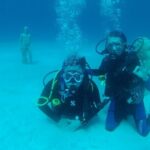
If you’re curious about scuba but unsure where to start, this is a smart first step. In Protaras, Sirens sets you up with sterile, provided equipment, teaches the basics on shore, and then helps you get comfortable underwater with an expert nearby. The experience is built for beginners, with a short, confidence-first plan and plenty of instruction—especially when nerves show up.
What I love most is the patient, funny coaching I saw in the guide stories (Shaun and Nick get repeat mentions), and the fact that you leave with photos and videos included—shot during the session and shared afterward. The only real consideration: it’s weather-dependent, so if conditions are rough, your time in the water may be rescheduled.
In This Review
- Key highlights worth knowing before you go
- Try Scuba in Protaras: What You’re Actually Getting
- Getting There: Sirens pickup and the meeting point in Paralimni
- The 3-hour flow: from gear check to your first underwater moment
- Step 1: Gear briefing and equipment setup
- Step 2: A short trip to the bay for shallow-water skills
- Step 3: Your first underwater try (and a turtle chance)
- Equipment, hand signals, and staying calm when it’s your first time
- A small hint that can help you
- The shallow-water practice: breathing and control before you go deeper
- First underwater session: what you should look for
- Photos and videos included: instant memories, not just bragging rights
- Who this suits best (and who might want to think twice)
- Timing, group size, and how to get the best experience
- Price and value in Protaras: is $90.74 a fair deal?
- Weather and rescheduling: a small planning reality
- Should you book this try scuba experience?
- FAQ
- How long does the try scuba experience take?
- What is included in the price?
- Do I need to bring scuba gear?
- Is pickup offered in Protaras?
- What age is this suitable for?
- What language are the instructions in?
- Will we practice before going underwater?
- Does the tour include underwater communication training?
- What if the weather is bad?
Key highlights worth knowing before you go
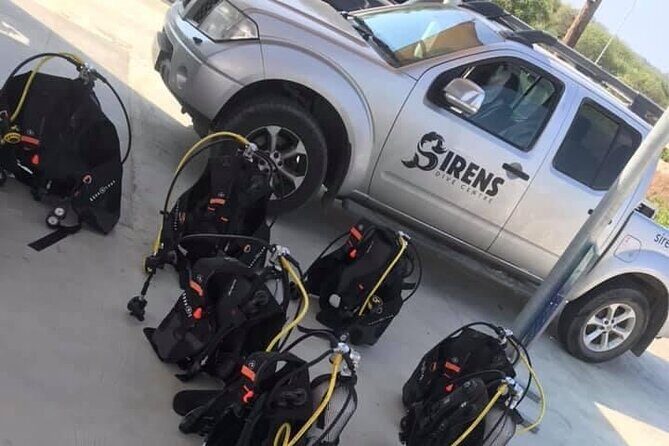
- Sterile equipment and clear safety setup right from the start, so you’re not worrying about gear details
- Short instruction + hand signals so you can communicate underwater without guesswork
- A quick run to a nearby bay (about 2 minutes from the center) for shallow-water breathing practice
- A first underwater session planned around your comfort level, with the chance of seeing turtles
- Included photos and videos, often delivered quickly afterward, plus extra angles with multiple cameras
Try Scuba in Protaras: What You’re Actually Getting
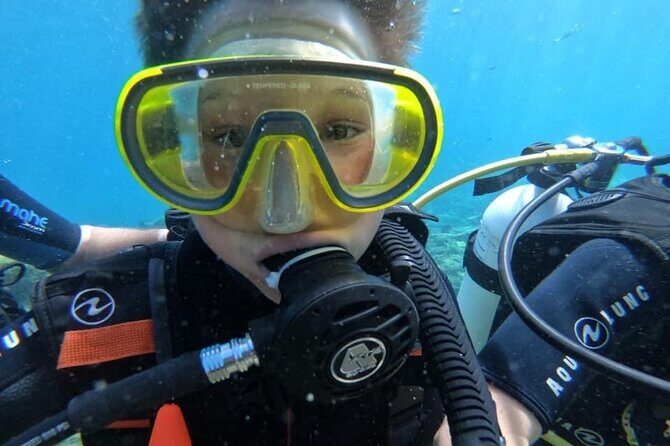
This isn’t a “watch someone else do it” experience. You’re paying for a guided try that takes you from dry land to controlled, shallow practice, and then into your first real underwater moment with an expert watching closely.
At about 3 hours total, it’s a half-day block that fits nicely into a typical Cyprus holiday rhythm—especially if you’re also doing beaches, boat trips, or a day trip inland. The price is listed at $90.74 per person, and the key value piece is that the cost includes the equipment plus photography and video.
A practical way to judge value: compare it to the cost of renting gear for practice and hiring an instructor separately. Here, you’re also getting a structured learning flow (skills, signals, then your first underwater try), which is what most first-timers actually need.
You can also read our reviews of more scuba diving tours in Protaras
Getting There: Sirens pickup and the meeting point in Paralimni
The session starts at the Sirens center in Paralimni (E306 513, Paralimni 5297, Cyprus). If you’re staying in Protaras and within a 15 km radius, pickup and drop-off can be arranged from your accommodation or hotel. If you’re driving yourself, they note there’s a good Google Map on their website, and you just tell them your preference.
Why this matters: try-scuba trips can feel complicated when you’re mixing shore time, check-in, and getting geared up. A pickup removes stress and helps you arrive calm (which, honestly, makes learning easier).
Also: it’s in English, confirmation comes at booking, and it’s set up as a private activity for your group. That usually means less waiting and more attention.
The 3-hour flow: from gear check to your first underwater moment
Even with only a few hours on the clock, the plan has a logical progression: equipment, basics, shallow practice, then the first underwater session.
Step 1: Gear briefing and equipment setup
You’ll be guided through the basic equipment you’ll use underwater. The materials are described as supplied and sterile under Covid governance, which is a big deal if you’re the type who hates thinking about shared gear.
They’ll also teach you:
- how the equipment works at a basic level
- how to breathe comfortably in the setup
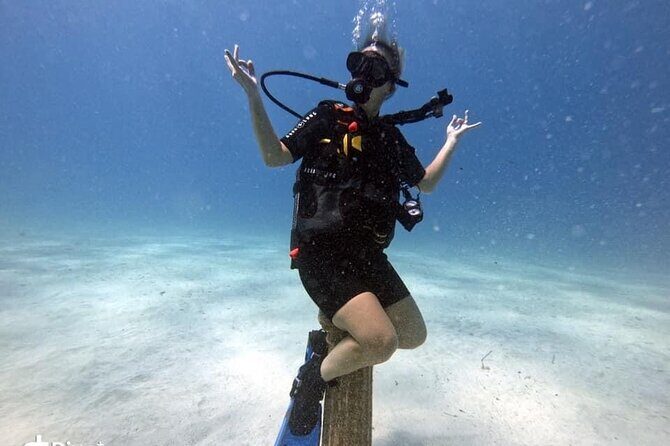
- the hand signals you’ll use underwater
For first-timers, this part matters more than people expect. If you know what a few signals mean, you don’t freeze underwater when something feels different. You just follow the plan.
Step 2: A short trip to the bay for shallow-water skills
You won’t drive far. They take you to a lovely little bay about 2 minutes from the center for shallow water practice. This is where your lungs and your brain get introduced to the idea of breathing with a regulator while moving gently underwater.
The goal is simple: you practice in shallow water until you’re comfortable, then you step into the next phase.



Step 3: Your first underwater try (and a turtle chance)
Once you’re happy with breathing and the basic skills, you’ll go on your first underwater session with the expert.
The schedule includes both morning and afternoon slots, available 7 days a week, and it’s described as suitable for adults and children from 8 years.
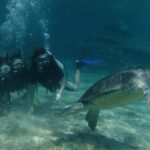
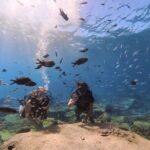
You might see turtles, especially if you’re in the right mood (quiet, slow movements). Several stories also highlight a lively marine world, with fish and other sea life showing up when the group stays relaxed and follows instructions.
Equipment, hand signals, and staying calm when it’s your first time
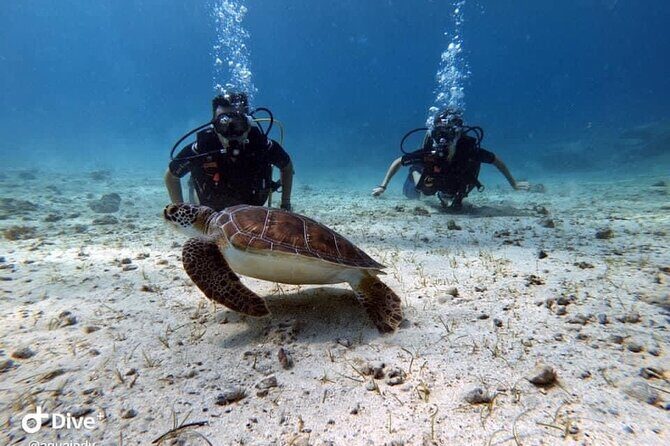
Here’s the honest truth about try scuba: most people aren’t worried about sea turtles. They’re worried about not looking silly and not panicking when something feels new.
That’s where the instruction quality shows. The names that pop up repeatedly include Shaun (noted for being patient and funny) and Nick (patient and kind). Sean and Richard also get credit in other accounts, and there are multiple mentions of staff members helping calm nerves during the water time.
You can expect to learn the key communication tools quickly—mostly hand signals—and then use them immediately underwater. That “practice then apply” approach is the best way to prevent confusion.
A small hint that can help you
Go in with a mindset that your first session is practice, not performance. If you treat it like training wheels, you’ll probably enjoy it more. The instructors are there to guide your body through the motions: slow breathing, buoyancy awareness, and controlled movement.
The shallow-water practice: breathing and control before you go deeper
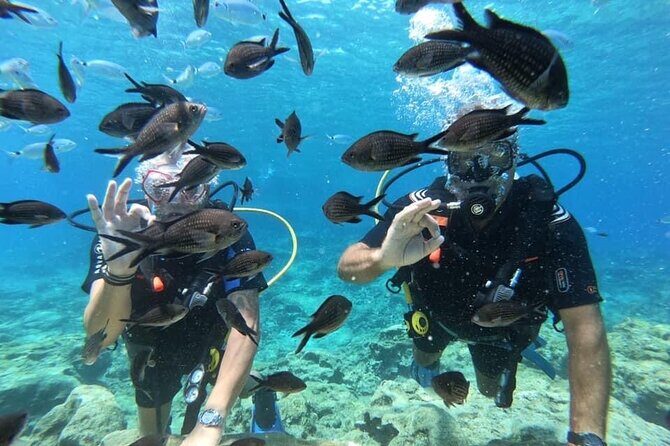
Your first real skills happen in shallow water in that nearby bay. This is the part that makes the whole experience feel safe and doable.
In this phase you’ll:
- learn how your equipment behaves at the surface and just under
- practice breathing until it feels normal
- get comfortable with the hand signals while in a controlled environment
One review story also mentions the experience working out even for someone with bad knees, which suggests the team is mindful about comfort and support during gear time and movement.
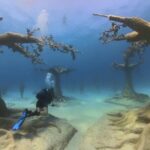
Also, some sessions include watching or spotting underwater features like sculptures, which can make the water time feel playful rather than purely instructional.
First underwater session: what you should look for
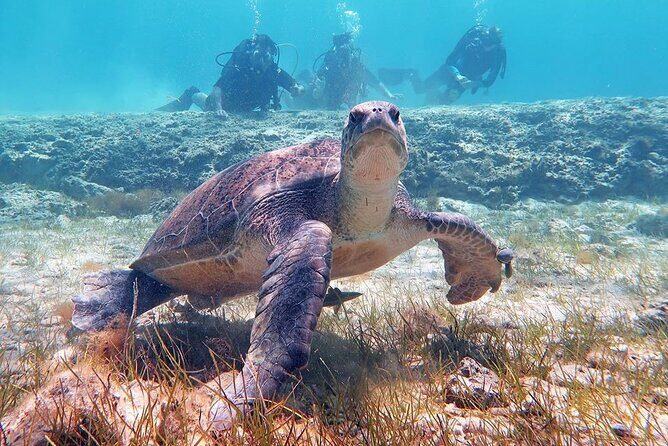
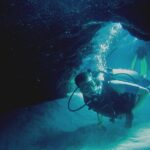
Once you’ve passed the shallow practice stage, your first underwater session starts. How long you’re actually underwater can vary, but one account describes about 45 minutes underwater for a first-timer.
What you’ll likely experience:
- an expert-led approach so you don’t feel alone under the surface
- a focus on staying calm and moving slowly
- the chance to see turtles if conditions and timing line up
What’s great here is that the team doesn’t just throw you in and hope for the best. The structure is designed around comfort and learning.
Photos and videos included: instant memories, not just bragging rights
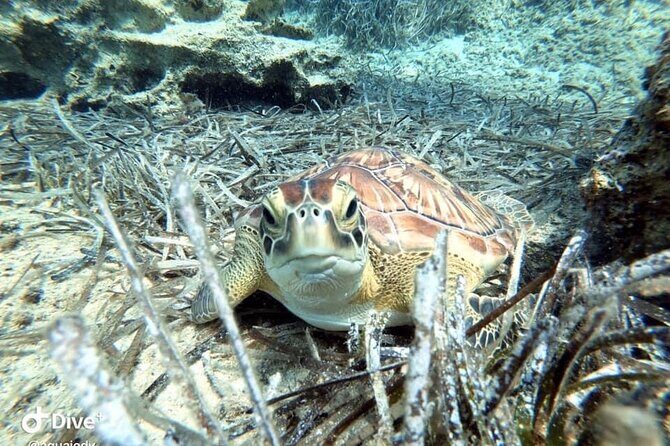
This is one of the strongest “value” features. They include all photographs and videos in the price.
In multiple stories, the photos and videos are described as taken during the session and delivered afterward, including sharing via WhatsApp the day after. One story specifically mentions footage captured with three different cameras, which usually means you’ll have more angles and less “one good shot out of 100.”
So you’re not just doing a momentary experience. You’re leaving with content you can actually use for your trip recap.
Who this suits best (and who might want to think twice)
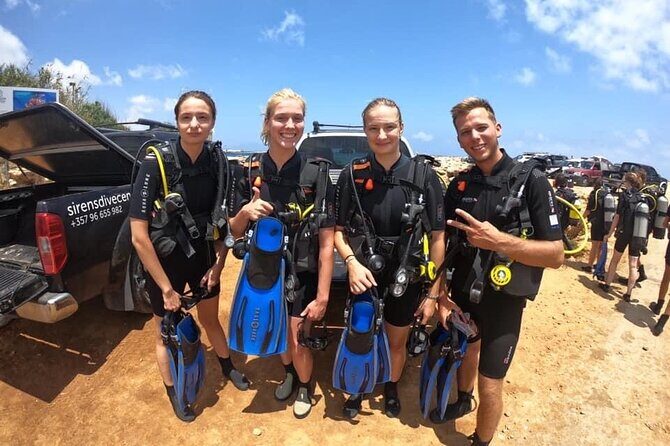
This works well if you:
- want a low-commitment way to see if scuba is for you
- are traveling with kids (8+ is the stated minimum)
- prefer structured instruction with a close expert nearby
- want the full package: gear, guidance, and underwater photo/video
You might want to think twice if:
- you hate anything that depends on weather (the experience requires good conditions)
- you’re expecting a long, deep, adventure-style training day (this is designed as a try, not a certification)
Also note: they allow service animals, and the group is private, meaning it’s tailored to your number of people rather than a big mass check-in.
Timing, group size, and how to get the best experience
Most try scuba experiences feel best when you show up a little early and treat the pre-water instruction as part of the fun. Since it’s about 3 hours total and there are morning and afternoon options, you can pick the time that matches your energy levels.
A practical approach:
- If you’re fresh in the morning, choose that slot.
- If you’re more relaxed later, afternoon can feel easier.
Your instructor support also matters. The stories highlight that guides like Kim, Bec, and Jody/Jodi helped keep people comfortable and answered questions throughout. That kind of responsiveness tends to make the whole experience smoother, especially for nervous first-timers.
Price and value in Protaras: is $90.74 a fair deal?
For $90.74 per person, you’re getting a guided try that includes:
- provided equipment (sterile as stated)
- instruction on equipment use and hand signals
- shallow-water practice before your first underwater session
- photos and videos included
If you compare that to paying separately for gear rental, an instructor, and underwater photography, the value becomes easier to see. You’re essentially buying a complete “first-time experience package,” not just a boat ride to a training location.
The biggest “hidden” value is confidence. A good first session can turn into a full certification course later, but even if you never continue, you still get the thrill of doing it safely and correctly.
Weather and rescheduling: a small planning reality
The experience requires good weather. If it’s canceled due to poor conditions, you’ll be offered a different date or a full refund.
If you’re visiting Cyprus with a tight schedule, I recommend keeping this in mind when you pick your day. Choose a slot with some flexibility, because good weather is the green light for making the session happen as planned.
Should you book this try scuba experience?
Yes, you should book it if you want your first underwater experience to feel guided, safe, and actually fun. The instruction style described by multiple people—patient, calm coaching from instructors like Shaun, Nick, and the broader Sirens team—lines up with what a first-timer needs.
Book it too if photos matter to you. Including underwater photographs and videos means you can relive the moment without paying extra or hunting for a separate photographer.
The main reason to hesitate is weather dependence or if you want a longer, more advanced training day. If your goal is a smart first taste of scuba in Protaras, this half-day try fits the bill.
If you want to reduce stress on your side, pick the time of day you’re most relaxed, arrive ready to learn, and treat the shallow practice as the warm-up that it is. Then you’ll have the best shot at spotting marine life like turtles while enjoying the process.
FAQ
How long does the try scuba experience take?
It lasts about 3 hours (approx.).
What is included in the price?
All equipment, instruction, and all photographs and videos are included.
Do I need to bring scuba gear?
No. You use provided equipment, and it’s described as sterile to Covid governance.
Is pickup offered in Protaras?
Yes. Pickup and drop-off are available from accommodation or hotels within a 15 km radius of their dive centre in Protaras.
What age is this suitable for?
Adults and children from 8 years upwards.
What language are the instructions in?
The experience is offered in English.
Will we practice before going underwater?
Yes. You’ll go to a nearby bay to practice shallow-water skills and breathing before your first underwater session.
Does the tour include underwater communication training?
Yes. You learn the basics and the hand signals you’ll use to communicate underwater.
What if the weather is bad?
The experience requires good weather. If canceled due to poor weather, you’ll be offered a different date or a full refund.